Video
Forgiveness is a commitment.
Not a feeling.
Not a moment.
Not a single prayer you whisper once and never wrestle with again.
It’s a decision that has to be honored repeatedly.
Some days forgiveness feels strong and settled.
Other days the memory walks back into the room like it still owns the place.
That’s where the commitment shows up.
Forgiveness is saying:
“Even though this hurt still echoes, I refuse to carry the poison.”
Jesus actually framed forgiveness this way when Peter asked Him how many times he had to forgive someone. Peter probably thought he was being generous suggesting seven times. But Jesus answered in a way that changed the entire understanding of forgiveness, saying it wasn’t seven times but “seventy times seven” (Matthew 18:21–22, KJV).
He wasn’t giving a math problem.
He was revealing a posture.
Forgiveness isn’t counted.
It’s maintained.
It’s a quiet commitment of the heart that says:
“I release this again today.”
Sometimes forgiveness looks like peace.
Sometimes it looks like choosing not to rehearse the injury again.
And sometimes forgiveness is simply this:
You wake up…
remember what happened…
and tell God,
“Lord, I’m giving this back to You again.”
Because forgiveness isn’t pretending something didn’t hurt.
It’s refusing to let the hurt own the future God is still writing for you.
And honestly, one of the most freeing parts is realizing this:
Forgiveness doesn’t mean the other person changes.
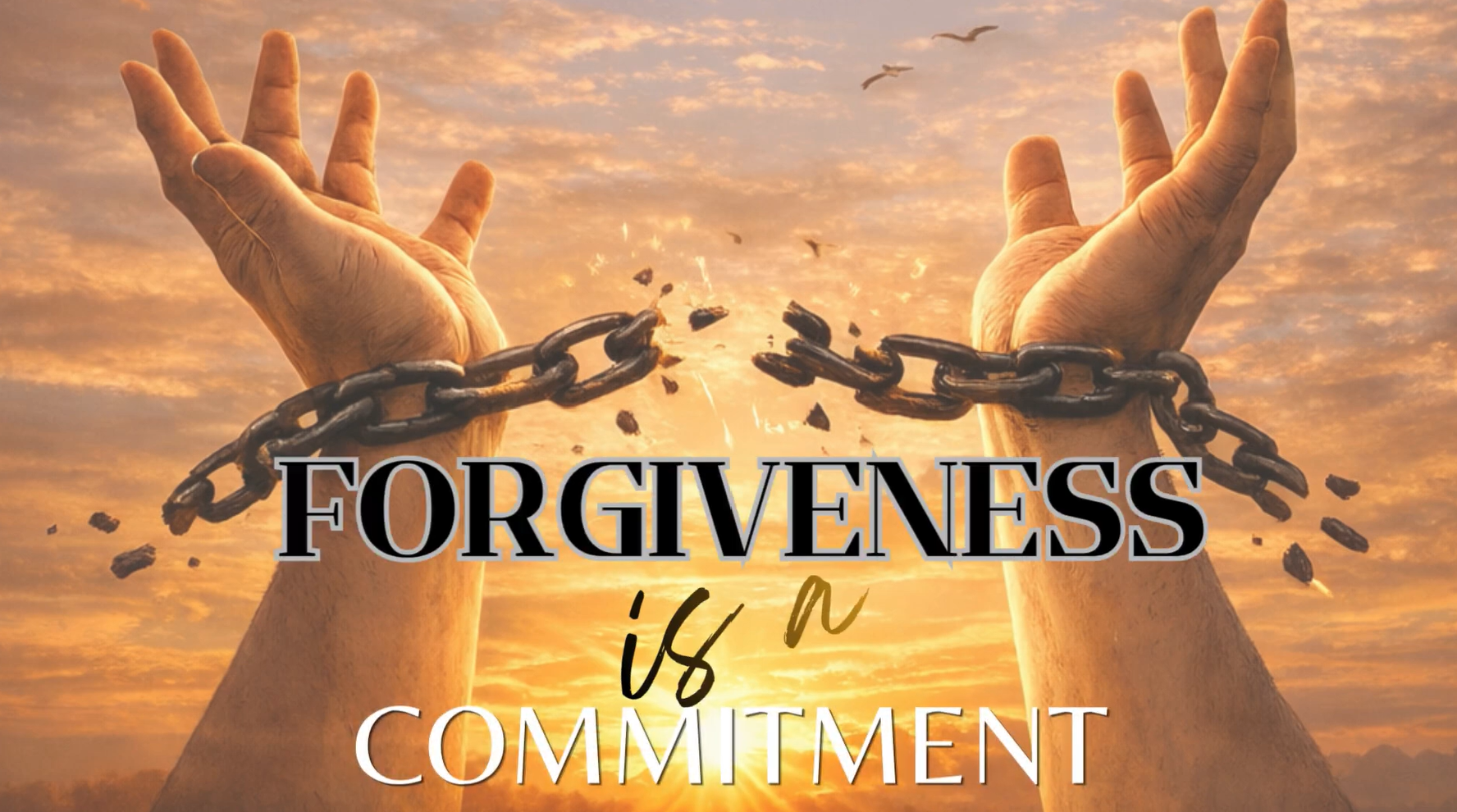
It means you refuse to stay chained to what they did.
The commitment is not to them.
The commitment is to your freedom.
And that freedom is exactly what Scripture points to when it says,
“Stand fast therefore in the liberty wherewith Christ hath made us free…” (Galatians 5:1, KJV).
Forgiveness protects that freedom.
Not perfectly.
Not instantly.
But faithfully.
Unforgiveness: The Emotional Cancer
Unforgiveness rarely announces itself loudly.
It doesn’t usually kick down the door of the heart and declare its presence.
Instead, it slips in quietly… the way a slow sickness does. It begins with a wound, a betrayal, a harsh word that lingers longer than it should. At first it feels justified to hold on to the pain. After all, something real happened. Something unfair. Something that cut deeper than anyone saw.
But pain that is held too tightly begins to change shape.
What started as hurt slowly turns into something heavier. It begins to settle into the mind, replaying moments over and over again like a broken record. The heart grows guarded. Conversations become filtered through suspicion. Joy feels muted. Peace feels distant.
Unforgiveness is like an emotional cancer.
Cancer does not always begin with dramatic symptoms. It begins quietly, cell by cell, spreading beneath the surface where no one can see it. In the same way, unforgiveness begins with a single offense but slowly spreads through every corner of the heart. What once affected only one relationship begins to influence how a person sees everyone.
The offense may have been one moment in time, but the resentment continues living long after the moment has passed.
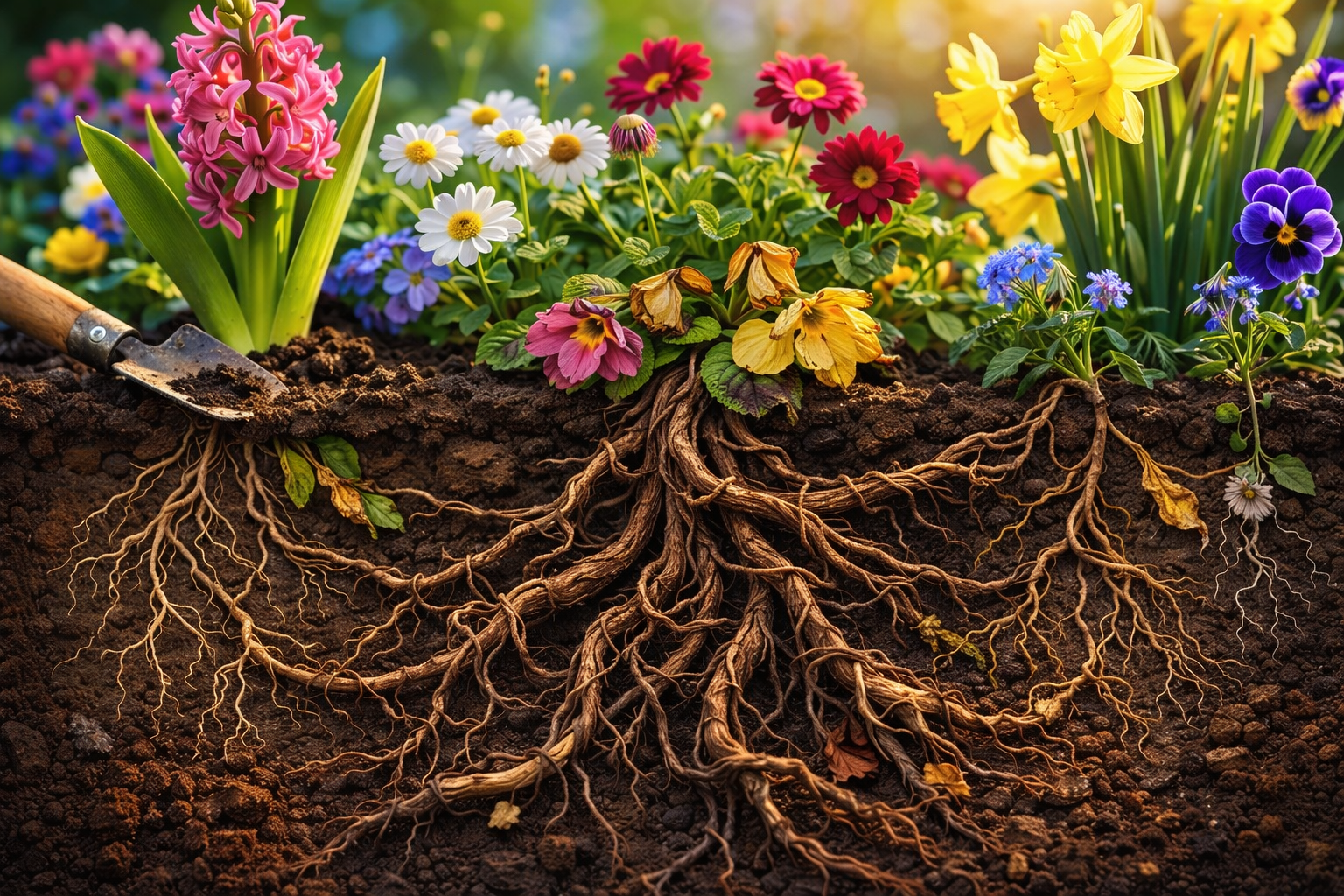
Scripture speaks honestly about this condition of the heart. In the book of Hebrews it warns, “Looking diligently lest any man fail of the grace of God; lest any root of bitterness springing up trouble you, and thereby many be defiled” (Hebrews 12:15, KJV). The imagery is striking. Bitterness is described as a root. Roots grow underground, unseen, slowly expanding until they affect everything above the surface.
A single root can eventually choke an entire garden.
And bitterness rarely stays contained. It seeps into conversations, attitudes, and expectations. It can reshape how a person interprets even innocent actions from others. The wound that began with one individual begins influencing how the heart approaches every relationship afterward.
What makes unforgiveness so deceptive is that it often disguises itself as protection.
Holding on to the offense can feel like a form of justice. It can feel like maintaining control over the situation. Letting go may even feel like surrendering the right to acknowledge what happened. Yet the strange truth is that unforgiveness harms the one carrying it far more than the one who caused it.
The person who offended may have moved on.
But the one holding the bitterness continues carrying the weight every day.
Jesus spoke directly to this condition of the heart when Peter asked Him how often forgiveness should be extended. Peter thought he was being generous when he suggested seven times. Yet Jesus answered, “I say not unto thee, Until seven times: but, Until seventy times seven” (Matthew 18:22, KJV). The point was never about arithmetic. It was about the posture of the heart. Forgiveness is not meant to be rationed carefully like a scarce resource.
It is meant to flow.
Not because the offense was small. Not because the pain was imaginary. But because the human heart was never designed to carry bitterness for long periods of time.
Unforgiveness poisons the well that the soul must drink from every day.
The tragedy is that many people live for years unaware of how deeply this root has grown inside them. They notice the symptoms but never connect them to the cause. Exhaustion. Emotional heaviness. Cynicism toward others. A quiet loss of joy.
These are often the silent symptoms of unresolved hurt.
Yet the message of Scripture never leaves the heart trapped in that condition. The same Bible that warns about bitterness also reveals the freedom available through forgiveness. Paul wrote to believers, “And be ye kind one to another, tenderhearted, forgiving one another, even as God for Christ’s sake hath forgiven you” (Ephesians 4:32, KJV).
Forgiveness is not pretending that something didn’t happen.
It is choosing not to allow the offense to continue controlling the heart.
It is the quiet decision to release the weight that was never meant to be carried forever.
And that decision can feel incredibly difficult. Some wounds are deep. Some betrayals leave marks that do not disappear overnight. Forgiveness does not always arrive as a single dramatic moment. Sometimes it unfolds slowly, layer by layer, as the heart learns to loosen its grip on the past.
But every step toward forgiveness is a step toward healing.
Just as cancer must be removed to restore the body’s health, bitterness must be released for the soul to breathe freely again. When forgiveness enters the heart, it interrupts the spread of resentment. It stops the quiet erosion of peace. It opens the door for restoration where bitterness once tried to build walls.
Forgiveness does not erase the past.
But it prevents the past from imprisoning the future.
It allows the heart to remain soft instead of hardened. It restores the ability to trust again. Most importantly, it aligns the heart with the grace that God has already extended.
Because every person who has ever received mercy from God has experienced the same miracle.
A debt that could never be repaid…
a record of wrongs that could never be erased by human effort…
yet forgiven completely through His grace.
And when the heart remembers that kind of mercy, something begins to shift. The desire for revenge slowly loosens. The grip of resentment begins to weaken. The emotional cancer of unforgiveness begins to lose its power.
The wound may still exist.
But the bitterness no longer controls the heart.
And that is where true healing begins.
Crowned In Virtue: The Strength of Sisterhood
There is something powerful about women who stand together.
Not competing.
Not comparing.
Not tearing one another down.
But standing side by side in faith, lifting one another in prayer, and choosing love even when life feels heavy.
That kind of sisterhood is rare in the world, but it is beautiful in the eyes of God.
The song “Crowned in Virtue” reflects this kind of bond—a sisterhood rooted in love, strengthened by faith, and guided by the pursuit of excellence. It reminds us that women were never meant to walk their journey alone. God often places other women along the path to encourage, support, and strengthen us when the road becomes difficult.
The Bible paints a picture of a woman whose life carries dignity and strength. It says, “Strength and honour are her clothing; and she shall rejoice in time to come.” (Proverbs 31:25 KJV). This verse reminds us that true beauty and strength are not measured by outward appearance but by the character formed within the heart.
Virtue is not something that appears overnight. It grows through the daily decisions a woman makes—the choice to love, the choice to forgive, the choice to remain faithful when life becomes challenging. Over time those choices shape a life marked by grace, wisdom, and strength.
Sisterhood plays an important role in that journey.
When women walk together in faith, they become a source of strength for one another. They pray for each other, speak encouragement into difficult moments, and remind one another of God’s promises when discouragement tries to take hold.
The apostle Paul wrote in 1 Thessalonians 5:11 (KJV), “Wherefore comfort yourselves together, and edify one another, even as also ye do.” Those words capture the heart of what sisterhood should be—a place where women build each other up instead of tearing each other down.
In a true sisterhood, love becomes the foundation.
When love leads the way, comparison loses its power. Competition fades away. Instead of seeing one another as rivals, women begin to recognize the strength that comes from unity. Each woman carries a different story, a different journey, and a different calling, but together they create a community where faith can grow.
The song speaks about women seeking God with outstretched hands and holding others in prayer. That image captures the heart of sisterhood perfectly. It reminds us that while we reach upward toward God, we can also reach outward toward one another.
A woman crowned in virtue is not simply walking for herself. She is walking in a way that encourages others to keep moving forward too.
She understands that the journey of faith becomes stronger when it is shared.
Scripture reminds us that God is the one shaping the lives of His people. As it says in Philippians 1:6 (KJV), “Being confident of this very thing, that he which hath begun a good work in you will perform it until the day of Jesus Christ.” That promise means every woman is still being shaped, still growing, and still becoming the person God intends her to be.
And along the way, sisterhood becomes a gift.
Women encouraging women.
Women praying for women.
Women lifting one another when life tries to weigh them down.
That is the spirit behind “Crowned in Virtue.”
It is more than a song—it is a reminder that strength grows in community. When women walk together in love, pursue virtue, and strive for excellence in their lives, something powerful begins to happen.
They begin to shine.
Rooted in love.
Crowned in virtue.
Walking in excellence..
Video
Qualified… But Access Denied

There is a phrase that echoes through Scripture like a quiet warning:
Matthew 22:14 — “For many are called, but few are chosen.”
That verse is often quoted, but rarely sat with.
Jesus spoke these words at the end of the Parable of the Wedding Feast, a story about invitations sent out to many people. The king opened the doors wide. The table was prepared. The celebration was ready.
Yet many ignored the invitation.
Others came in unprepared.
The door was open… but access was still denied.
Not because the invitation wasn’t real.
Because the response wasn’t.
There is a difference between being qualified and being chosen.
The world is obsessed with qualifications.
Degrees. Titles. Followers. Applause. Credentials.
But the Kingdom of God moves differently.
He is not looking first at talent, skill, or popularity.
He looks at the heart.
Scripture reminds us in 1 Samuel 16:7 that “man looketh on the outward appearance, but the Lord looketh on the heart.”
You can stand in a room full of gifted people and still feel something missing.
Because gifting opens doors in the world.
But character opens doors with God.
There are moments in life when a person feels capable, ready, even equipped — yet the door does not open.
It feels like rejection.
It feels like delay.
It feels like being overlooked.
But heaven often calls that preparation.
God is not in a hurry to elevate someone whose foundation is still being formed.
Pressure shapes oil. Fire refines gold. Waiting builds endurance.
The closed door is not always punishment.
Sometimes it is protection.
And sometimes it is God whispering,
“Not yet… I’m still shaping you.”
The truth is, many people want the platform, but few are willing to carry the process.
Many want the microphone.
Few want the wilderness.
Yet throughout Scripture, God repeatedly chose people whose hearts were surrendered more than their resumes were impressive.
The world searches for the most qualified.
God searches for the most yielded.
And when alignment happens — when calling meets humility, obedience, and trust — doors begin to open that no human could ever unlock.
As Revelation 3:8 reminds us:
“Behold, I have set before thee an open door, and no man can shut it.”
So if you ever find yourself standing in front of a door that will not open, do not assume you have been forgotten.
Sometimes the delay means heaven is still preparing the room… and the person who will walk into it.
Because when God finally opens a door, it won’t be based on a résumé.
It will be based on a heart that learned how to trust Him in the hallway

Intentional Love, Intentional Sacrifice
Video
There is a kind of love that happens naturally.
It arrives with emotion, excitement, and the warm comfort of connection. Many relationships begin there — in the glow of feeling.
But the love that lasts… the love that transforms lives… the love that mirrors the heart of God… is something deeper.
It is intentional.
Intentional love is not built on convenience.
It is not sustained by feelings alone.
It is chosen again and again, especially in moments when it would be easier to walk away.
Real love decides.
The world often presents love as something that simply happens. Two people meet, feelings grow, and everything flows effortlessly. Yet life has a way of revealing whether love is rooted in emotion or anchored in commitment. When challenges arise, when misunderstandings happen, when sacrifice becomes necessary — that is when love reveals its true nature.
Intentional love stays.
The Bible gives us the clearest picture of what intentional love looks like. God did not love humanity from a distance. His love moved toward us. It stepped into brokenness and made a deliberate choice to redeem.
John writes these powerful words in John 3:16 (KJV):
“For God so loved the world, that he gave his only begotten Son…”
That single word — gave — reveals the nature of true love.
Love gives.
Love sacrifices.
Love acts.
God’s love was never passive. It was purposeful. Every step of redemption was intentional. Every act of grace was deliberate. Nothing about the cross was accidental.
Jesus Himself said in John 15:13 (KJV):
“Greater love hath no man than this, that a man lay down his life for his friends.”
Sacrifice is not the absence of love; it is the evidence of it.
When someone truly loves, they do not measure what they lose — they measure what the other person gains. Intentional love chooses humility over pride, forgiveness over resentment, patience over frustration.
It asks a simple but powerful question:
What does love require of me right now?
Sometimes the answer is kindness.
Sometimes the answer is silence.
Sometimes the answer is forgiveness.
And sometimes, love requires sacrifice.
This is not weakness.
It is strength shaped by purpose.
Intentional love understands that relationships are not sustained by grand gestures alone. They are built through daily decisions — small moments where grace is chosen instead of anger, understanding instead of judgment, faithfulness instead of convenience.
Those quiet decisions become the foundation of something strong.
The Apostle Paul described love in a way that still speaks to the heart today:
“Charity suffereth long, and is kind; charity envieth not; charity vaunteth not itself, is not puffed up… beareth all things, believeth all things, hopeth all things, endureth all things.”
— 1 Corinthians 13:4–7 (KJV)
Notice the language Paul uses.
Love suffers long.
Love bears.
Love endures.
These are not passive words. They describe a love that is willing to stay committed even when circumstances become difficult. They describe a love that is intentional enough to remain steady when emotions fluctuate.
Intentional love does not disappear when the moment becomes inconvenient.
It holds on.
It believes that something meaningful is being built through patience, grace, and sacrifice.
And perhaps the most beautiful thing about intentional love is that it reflects the very nature of God. His love toward us has never been based on perfection. It has always been rooted in His character.
Scripture reminds us in Romans 5:8 (KJV):
“But God commendeth his love toward us, in that, while we were yet sinners, Christ died for us.”
Before humanity ever understood love, God had already demonstrated it.
Before anyone deserved mercy, He had already prepared it.
That is intentional love.
When we choose to love intentionally — whether in marriage, friendship, ministry, or family — we are reflecting the same pattern that God showed us first. We are choosing to build something deeper than emotion.
We are choosing covenant over convenience.
And when love is rooted in that kind of purpose, it becomes something powerful. It becomes steady. It becomes resilient. It becomes the kind of love that can weather storms and still remain standing.
Intentional love does not simply feel.
It chooses.
Intentional love does not avoid sacrifice.
It embraces it.
Because the greatest love the world has ever seen was not spoken through words alone — it was revealed through a sacrifice that changed everything.
And that love still invites us today to live, give, and love with the same intention.
THE MASTER BUILDING
There are moments when I sit still long enough to see it…
Not just life happening—but life being arranged.
Not random.
Not scattered.
Not a collection of accidents trying to make sense.
But designed.
I used to look at my life like pieces laid out on a table—some beautiful, some confusing, some I didn’t even want to pick up again. Certain people didn’t make sense. Certain seasons felt misplaced. Certain endings felt like something went wrong.
But something shifted in me when I stopped asking, “Why doesn’t this make sense?”
and started realizing… maybe I’m just looking at individual pieces, not the full picture.
Because the truth is…
I am not the designer.
God is.
And when I really sit with that, it softens something in me.
Because if He is the Designer, then nothing in my life is without intention. Not the people who stayed. Not the ones who left. Not the doors that opened. Not the ones that closed so tight I felt the echo of it in my chest.
All of it passed through His hands first.
That’s what makes Book of Ecclesiastes 3:11 feel so personal to me—“He hath made every thing beautiful in his time…”
Not just the parts I understand.
Not just the parts I would have chosen.
Every thing.
There were moments I thought something was being taken from me…
only to realize later, it was being repositioned.
There were people I thought would be permanent…
but they were only ever meant to hold a piece for a season.
And then there are the ones who remain—quietly, steadily—holding pieces of my life with care, never forcing their place, never mishandling what they were trusted with.
That’s not coincidence.
That’s design.
I’m learning that I don’t have to force pieces to fit anymore.
I don’t have to chase connections that resist me.
I don’t have to hold onto what keeps slipping out of place.
I don’t have to question my worth when something doesn’t stay.
Because the Designer is not confused.
And if something no longer fits in the picture He is creating, then maybe it was never meant to stay in that part of the design.
That doesn’t make it meaningless.
It just means it was a seasonal placement, not a permanent one.
There’s a quiet kind of peace that comes with that understanding.
The kind that lets me breathe deeper.
The kind that releases my grip.
The kind that reminds me I am not responsible for figuring everything out—I am simply living within something already being carefully crafted.
Even now… as I sit with pieces I don’t fully understand… I feel it.
Not answers.
Not clarity in every detail.
But peace.
Because I know the One who is designing my life does not make mistakes.
And if He is still placing pieces…
Then the picture isn’t finished yet.